What Is Checked at the Ukraine–Poland Border: How Customs Control Works
Crossing the Ukrainian-Polish border involves more than a passport check. Border and customs procedures are carried out separately: border guards verify a person’s identity and right to enter, while customs officers inspect baggage, goods, cash, and items subject to restrictions. To make the border crossing as smooth as possible and avoid unnecessary delays, it is worth checking your documents and luggage before traveling.
How Passengers Are Checked
When traveling by bus, passengers undergo checks at a designated border crossing point. During border control, officials verify the validity of travel documents and the passenger’s right to enter. For most third-country nationals visiting Poland for a short stay, entries and exits may also be recorded in electronic border control systems.
Customs control is carried out separately. An inspector may ask you to open your suitcase, show specific items, or provide information about their quantity, value, or intended use. If necessary, officials may also inspect the bus’s luggage compartment and check documents relating to goods, currency, valuables, or items subject to special regulations.
Current Rules for Crossing the Border into Poland
The current rules for crossing the border into Poland require travelers to have valid documents entitling them to enter the country. Depending on the circumstances and applicable regulations, passengers may also be asked to confirm the purpose of their trip, provide details of their planned stay, demonstrate that they have sufficient financial means, or present additional documents.
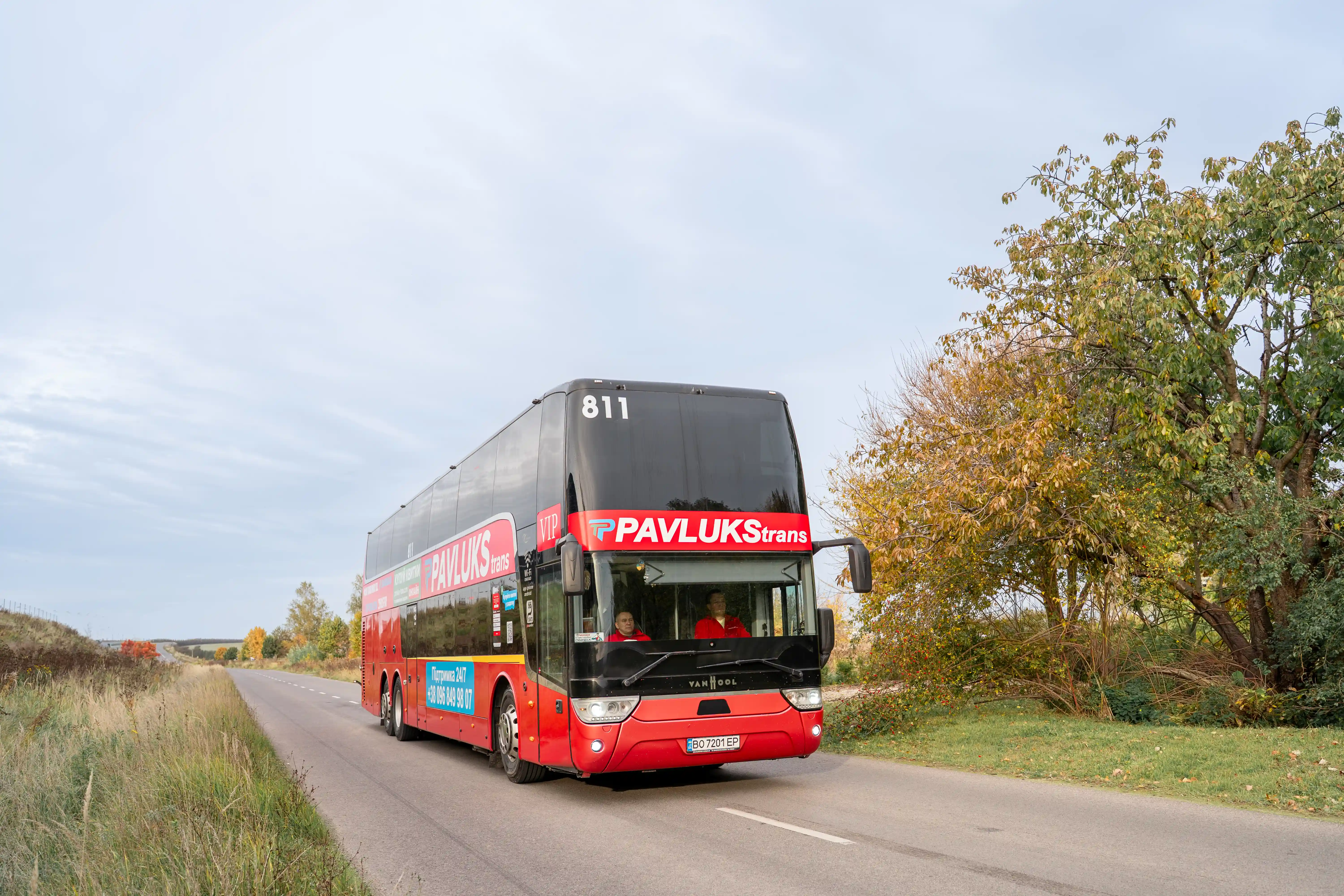
Separate customs requirements also apply during the border crossing. Alcohol, tobacco, cash, products of animal origin, plants, medicines, cultural property, and other categories of goods are subject to specific rules and limits. Before traveling by bus, it is also worth reviewing the Pavluks-trans transportation terms, as the carrier’s baggage rules apply alongside customs regulations.
What May Be Checked in Your Suitcase
During customs control, inspectors primarily look for items that exceed permitted limits, appear to be intended for commercial use, or are subject to restrictions or prohibitions. Inspections may be selective or more detailed if questions arise about the contents of a passenger’s baggage.
During an inspection, officials may pay particular attention to:
alcohol and tobacco products;
- large amounts of cash;
- meat and dairy products;
- plants, seeds, and seedlings;
- medicines carried in significant quantities;
- new electronic devices and large quantities of identical goods;
- cultural property and items requiring permits.
Carrying one of these items does not automatically mean that a violation has occurred. What matters is whether the item is permitted, how much is being transported, and whether additional documents are required. Before traveling, it is therefore advisable to check the rules for items that may raise questions during an inspection.
When Something Must Be Declared
Customs declarations are required when goods or currency are subject to mandatory written declaration. On the Ukrainian side, passengers can use the green and red customs channels. The green channel is intended for travelers carrying items that do not require written declaration, are not subject to customs duties, and do not require special permits or fall under prohibitions.
The red channel must be used when a passenger carries goods exceeding established allowances, amounts of cash subject to declaration, cultural property, or other items that must be declared in writing. In such cases, customs declarations must include the name, quantity, value, and any other information required by customs authorities. If you are unsure which channel to choose, consult a customs officer before proceeding.
What Is a Customs Control Zone?
A customs control zone is a designated area where customs authorities carry out legally prescribed checks of passengers, vehicles, goods, and baggage. While in this zone, travelers must follow lawful instructions from customs officers and should not move their baggage independently if an inspection is still in progress.
Within the customs control zone, an inspector may ask you to present goods, documents, or specific items from your luggage. Passengers are entitled to receive an explanation of the inspection procedure and to be present while their belongings are examined.
Why Can a Bus Spend a Long Time at the Border?
The time required for a border crossing depends on the number of buses in the queue, traffic at the crossing point, passport checks, baggage inspections, and additional procedures involving individual passengers. Even when a bus service follows a regular schedule, it is difficult to predict exactly how long the border crossing will take.
If a passenger is found carrying goods that must be declared, prohibited food products, or documents that raise questions, customs control for that individual may take longer. This can delay the entire bus. For this reason, it is advisable to allow extra time for any onward connections rather than relying solely on the scheduled arrival time.
How to Prepare for Border Control
Before traveling, check that your passport is valid, review the current entry requirements, and make sure your luggage complies with customs regulations. Keep your travel documents, ticket, proof of accommodation, and confirmation of your onward journey in your hand luggage so that you can present them quickly during the border crossing.
Do not agree to carry packages for other people unless you know exactly what they contain. Passengers are responsible for the items they transport. If you are unsure whether certain goods require customs declarations or are permitted across the border, clarify the requirements with the relevant customs authorities in advance. Checking the rules beforehand is much easier than resolving a problem at the border crossing point.