Traveling abroad by bus alone: tips for a safe and comfortable trip
A trip abroad without accompaniment can be calm if you plan the route, documents, luggage, and actions after arrival in advance. Solo travel gives you more freedom, but it also requires attention to detail: where to board, where to get off, whom to inform about your arrival time, and how to stay connected on the road. The best strategy is to buy tickets on verified pages, keep documents close at hand, and avoid planning important matters immediately after crossing the border.
How to prepare your route before departure
Before booking, open the Pavluks-trans routes and check the country, arrival city, departure time, possible transfers, and estimated travel duration. For a solo trip, it is important to know not only the final destination, but also the boarding point, stops along the way, and arrival address. Save the route offline, take a screenshot of the ticket, write down the carrier’s phone number, and send the trip details to someone close to you. If you arrive late, plan a taxi, public transport, or nearby overnight stay in advance.
Safety for women on the road
For women traveling alone, the main thing is to avoid situations where they have to improvise at night or in an unfamiliar place. Choose official boarding points, do not accept “rides” from random people, do not leave belongings unattended at stops, and do not display large amounts of cash. A practical minimum for a comfortable trip includes:
- tell someone close to you the service number and arrival time;
- enable mobile internet or roaming;
- save your accommodation address in the language of the arrival country;
- do not keep all your money in one place;
- keep documents separate from your suitcase;
- choose clothes and shoes that are comfortable to move in.
It is better to keep your phone, passport, bank card, and power bank in a small bag with you rather than in your main luggage. If someone behaves intrusively, contact the driver or other passengers confidently and without fear for your safety.
How to choose a carrier
For a trip to Europe, it is worth choosing a company with a clear website, regular routes, contact details, transportation rules, and the option to book a seat online. International bus transportation should be predictable: the passenger should be able to see the route, date, time, travel conditions, and procedure in case plans change. To check the company, you can visit the Pavluks-trans website and view available destinations, page structure, passenger information, and booking terms.
It is also worth reviewing the offer agreement to understand the rules for booking, refunds, data changes, and the responsibilities of both parties. This is especially important if the trip is long, overnight, or connected with studies, work, check-in, or a transfer.
What documents to take with you
For traveling abroad alone, a valid international passport is generally required. For EU countries, it is also worth checking the passport validity period, possible visa requirements, insurance, accommodation address, proof of travel purpose, and return route if required. If the passenger is a minor, travel documents should be checked separately, as the rules depend on age, accompaniment, and destination country.
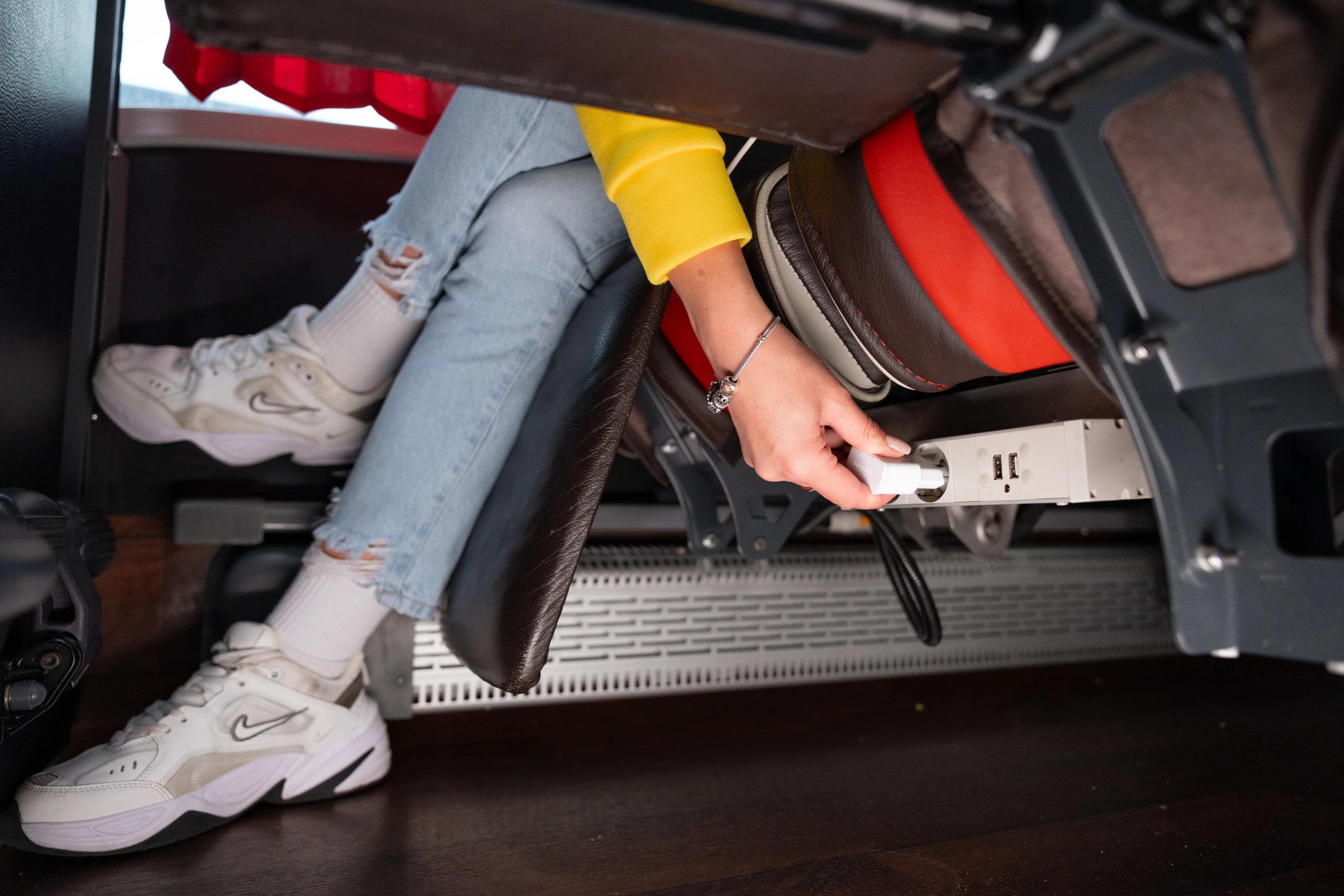
Keep your passport, ticket, phone, charging cable, money, insurance, and the contacts of someone who can help in your hand luggage. Do not put documents in the luggage compartment. Before boarding, check whether electronic files open without internet access. Just in case, print all necessary documents and keep them close at hand.
How to book tickets without unnecessary stress
Tickets for international buses are best purchased in advance, especially before holidays, school breaks, or popular departure dates. After payment, check the name, date, departure city, arrival city, and contact phone number. If you are booking a seat for yourself for the first time, do not leave preparation until the evening before departure: gather your documents, charge your phone, and prepare water and a snack. International buses often take a long time, so it is better to have everything you need in the cabin right away.
What to take into the bus cabin
Main luggage can be placed in the luggage compartment, but essential items should stay with you. Put your passport, ticket, wallet, charger, power bank, medication, water, tissues, snack, and blanket into a small backpack. Do not take too much into the cabin: if the bag constantly gets in the way of your legs, it will be harder to sleep and sit comfortably. For a long journey, it is convenient to have a separate transparent folder for documents so that you do not have to search for them among clothes and food during checks. Try not to drink too much water, as stops may not always happen according to schedule.
How to sleep comfortably during an overnight trip
To sleep better on the road, take a neck pillow, eye mask, earplugs or headphones, a warm sweater, and a bottle of water. Clothing should be soft, without a tight waistband or complicated fasteners. It is better not to drink a lot of coffee before boarding or eat heavy food, as this can interfere with sleep and increase discomfort. If possible, place your bag so it does not get in the way of your legs, but remains within sight. Keep valuables with you, not on the overhead shelf.
What to do after arrival
After arrival, do not rush to leave the station without a plan. Check your phone, accommodation address, public transport route, or taxi pickup point. If you arrive at night, it is better to arrange check-in or a transfer in advance. International bus transportation will be much more comfortable if the entire route is planned not only to the border, but also to the door of your hotel, dormitory, or apartment. For a solo traveler, this kind of preparation is not excessive caution, but a normal part of a safe journey.